Advances in Spinal Cord Tumor Research and Treatment

Robert Louis, MD • July 1, 2019
Advances in Spinal Cord Tumor Research and Treatment
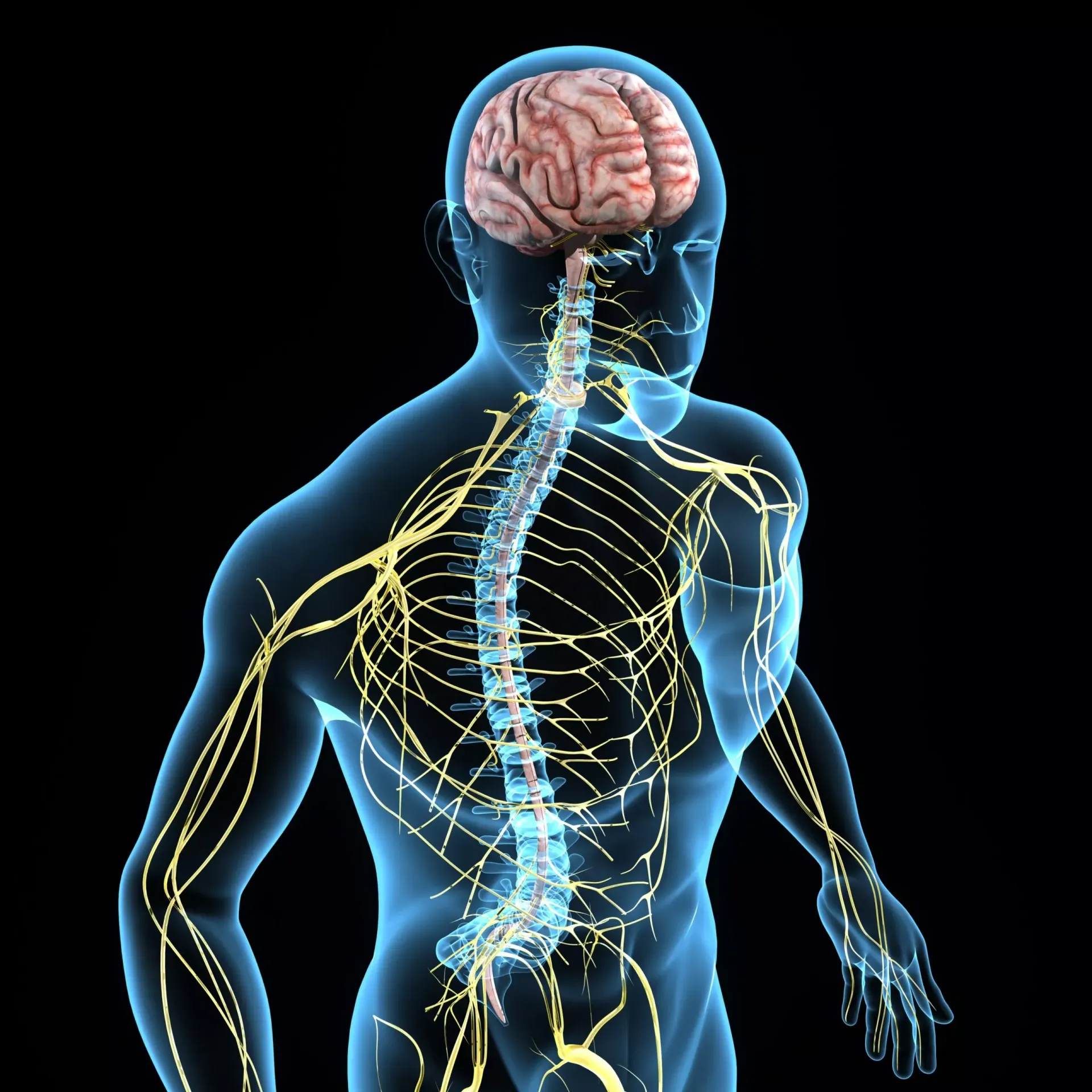
The human spinal cord is a marvel of biological engineering, a delicate yet resilient structure that serves as the communication highway between the brain and the rest of the body. Unfortunately, like any part of the body, it can be susceptible to tumors, which can have debilitating effects on a person’s mobility and overall quality of life. Spinal cord tumors are relatively rare but can be extremely challenging to treat due to their location and complexity. However, recent advances in research and spinal cord tumor treatment modalities offer hope for improved outcomes and quality of life for patients facing this diagnosis.

Understanding Spinal Cord Tumors

Spinal cord tumors can be classified into two main categories: intramedullary and extramedullary. Intramedullary tumors originate within the spinal cord itself, while extramedullary tumors develop outside the spinal cord but within the spinal canal. These tumors can be further categorized based on their tissue type, with the most common types being gliomas, meningiomas, and nerve sheath tumors.


One of the challenges in treating spinal cord tumors is their location within the central nervous system, which can make surgical removal difficult without causing damage to surrounding healthy tissue. Additionally, the potential for neurological deficits post-surgery underscores the importance of developing less invasive treatment options that minimize collateral damage.


Advances in Imaging Techniques

Accurate diagnosis is the first crucial step in effective spinal cord tumors treatment. Recent advances in imaging techniques have revolutionized the way these tumors are detected and characterized. High-resolution magnetic resonance imaging (MRI) combined with advanced imaging sequences allows for detailed visualization of spinal cord anatomy and the precise localization of tumors. Techniques such as diffusion tensor imaging (DTI) provide valuable information about the integrity of neural pathways, aiding in surgical planning and prognostication.


Moreover, the emergence of intraoperative MRI and intraoperative navigation systems enables spine surgeon specialists to perform more precise and complete tumor resections while minimizing the risk of damage to surrounding neural structures. These technologies have significantly improved surgical outcomes and reduced the incidence of postoperative complications.


Targeted Therapies and Immunotherapy

Traditional treatment modalities for spinal cord cancer have primarily focused on surgery, radiation therapy, and chemotherapy. While these approaches remain important components of treatment, recent years have seen a growing interest in targeted therapies and immunotherapy.


Targeted therapies involve drugs that specifically target molecular pathways involved in tumor growth and progression. For example, inhibitors of vascular endothelial growth factor (VEGF) have shown promise in the treatment of spinal cord hemangioblastomas, reducing tumor vascularity and slowing disease progression.


Immunotherapy, which harnesses the body’s immune system to target and destroy cancer cells, has also emerged as a potential treatment strategy. Checkpoint inhibitors, such as pembrolizumab and nivolumab, have demonstrated activity in certain types of spinal cord tumors by enhancing the immune response against tumor cells.


While targeted therapies and immunotherapy hold great promise, further research is needed to identify biomarkers that predict response to treatment and to optimize treatment regimens for individual patients.


Advances in Radiation Therapy

Radiation therapy plays a crucial role in the management of spinal cord tumors, either as adjuvant therapy following surgery or as a primary treatment modality for inoperable or recurrent tumors. Recent advancements in radiation therapy techniques have improved the precision and effectiveness of treatment while minimizing damage to surrounding healthy tissue.


Stereotactic radiosurgery (SRS) delivers highly focused radiation beams to the tumor site with submillimeter accuracy, sparing adjacent critical structures. This approach is particularly beneficial for small, well-defined tumors or for targeting residual tumor tissue following surgical resection.


Moreover, proton therapy, which delivers radiation using charged particles instead of traditional photons, offers the advantage of precise dose delivery with minimal exit dose, reducing the risk of radiation-induced damage to surrounding tissues. Proton therapy is especially advantageous for tumors located near critical structures such as the spinal cord, where minimizing radiation exposure is paramount.


Future Directions and Challenges

While significant progress has been made in the diagnosis and treatment of spinal cord tumors, several challenges remain. One key area of focus is the development of personalized treatment strategies based on the molecular characteristics of individual tumors. Identifying biomarkers predictive of treatment response and disease prognosis will be essential for tailoring therapy to the unique needs of each patient.


Additionally, improving access to specialized care and multidisciplinary treatment teams is crucial for optimizing patient outcomes. This includes not only access to cutting-edge treatments but also comprehensive supportive care services to address the physical, emotional, and psychosocial needs of patients and their families.


Conclusion

In conclusion, advances in spinal cord tumor research and treatment offer hope for improved outcomes and quality of life for patients facing this challenging diagnosis. By continuing to invest in research, technology, and collaborative care models, we can strive toward better treatments.
Who performs brain surgery in Orange County
July 22, 2026
Brain surgery in Orange County is done by neurosurgeons with a team of specialists for personalized, expert care and better treatment decisions.
What is the best treatment for pituitary tumors
July 20, 2026
Discover what is the best treatment for pituitary tumors. Personalized plans include monitoring, medication, surgery, and team-based expert care.
July 17, 2026
Glossopharyngeal neuralgia is a rare nerve disorder that causes sudden, severe pain in the throat, back of the tongue, tonsil area or deep inside the ear. The pain is brief but intense and may be triggered by swallowing, talking, coughing or yawning. Because these symptoms closely resemble more common conditions, glossopharyngeal neuralgia has historically been difficult to diagnose. A sore throat that won't go away. Sharp pain deep inside the ear. A sudden jolt of pain every time you swallow or yawn. Many people experiencing these symptoms are treated for common conditions such as throat infections, acid reflux or ear problems. When those treatments don't help, frustration begins to grow. Fortunately, the way rare neurological conditions are identified has changed. Better imaging, improved awareness among healthcare providers and earlier referrals to specialists are helping patients receive answers much sooner than they did years ago. At Robert Louis, MD, we meet people who have spent months searching for the reason behind persistent throat or ear pain before finally receiving the correct diagnosis. One of the first questions they ask is, "What is glossopharyngeal neuralgia?" Understanding this rare condition can help explain why symptoms have continued despite multiple treatments and why early diagnosis matters. Why So Many Patients Spend Months Treating the Wrong Problem One of the biggest challenges with rare nerve disorders is that the symptoms resemble everyday health problems. Someone may be treated for recurring tonsillitis because swallowing hurts. Another person may receive antibiotics for an ear infection even though no infection is present. Others may believe acid reflux or a dental problem is causing their discomfort. When treatments repeatedly fail, patients begin asking new questions instead of simply requesting another prescription. This is usually the point where specialists start considering neurological causes. That is one reason more people are searching “what is glossopharyngeal neuralgia” after months of unexplained pain. What Is Glossopharyngeal Neuralgia? The glossopharyngeal nerve helps control sensation in parts of the throat, tongue and ear. When this nerve becomes irritated or compressed, it can trigger sudden episodes of severe pain. Unlike the constant discomfort of a sore throat, glossopharyngeal neuralgia causes brief attacks that come without warning. Many patients describe the pain as: Sharp or stabbing. Electric shock-like. Burning. Lasting only seconds or a few minutes. Simple activities such as swallowing food, drinking, talking, coughing or yawning may trigger these painful episodes. For many patients, learning “what is glossopharyngeal neuralgia” finally explains symptoms that never seemed to match a typical throat or ear condition. What's Changed Over the Last Decade? Several important changes are helping doctors identify this condition earlier than before. High-quality MRI technology allows specialists to evaluate the nerves more clearly and identify possible compression that may be causing symptoms. Healthcare providers are also more aware that recurring throat pain isn't always related to infection. Primary care physicians, ENT specialists, neurologists and neurosurgeons are working together more frequently when symptoms don't fit a common diagnosis. Patients are also playing a role. Many seek medical attention sooner when symptoms continue despite treatment, making earlier diagnosis more likely. These improvements are changing the answer to what is glossopharyngeal neuralgia from "a condition that's often missed" to "a condition that's recognized sooner." The Symptoms That Make Specialists Think Beyond a Throat Infection Not every sore throat is caused by a virus or bacterial infection. Specialists look more closely when pain: Occurs on only one side. Feels sudden and intense. Is triggered by swallowing or talking. Radiates into the ear. Returns repeatedly despite treatment. Appears even when examinations look normal. These clues help guide further evaluation instead of repeating treatments that haven't worked. Recognizing these patterns is an important step toward determining what is glossopharyngeal neuralgia and whether additional neurological testing is appropriate. Why Getting the Right Diagnosis Changes Everything Receiving the correct diagnosis allows treatment to focus on the actual source of the pain. Depending on the cause and severity of symptoms, treatment may include: Medication to control nerve pain. Ongoing monitoring. Image-guided procedures for selected patients. Microvascular decompression surgery when a blood vessel is compressing the nerve. Not every patient requires surgery. The most appropriate treatment depends on the individual's symptoms, imaging findings and overall health. The important first step is understanding what is glossopharyngeal neuralgia rather than continuing to treat conditions that are not responsible for the pain. Don't Ignore Persistent Throat or Ear Pain Most sore throats and earaches improve with appropriate treatment. However, recurring episodes of severe pain that continue despite normal examinations deserve further evaluation. At Robert Louis, MD, we believe patients should have clear answers before living with ongoing pain or undergoing unnecessary treatments. If you've been wondering what is glossopharyngeal neuralgia, an evaluation by the appropriate specialist can help determine whether a rare nerve disorder may be responsible for your symptoms. Earlier diagnosis not only reduces uncertainty but also helps patients move toward treatment that is designed for the real cause of their pain. Frequently Asked Questions Why is glossopharyngeal neuralgia often misdiagnosed? Its symptoms closely resemble common conditions such as throat infections, ear infections, acid reflux or dental problems. Because the disorder is uncommon, diagnosis may take time until neurological causes are considered. What doctor diagnoses glossopharyngeal neuralgia? Patients begin with a primary care physician or ENT specialist. A neurologist or neurosurgeon may perform further evaluation if a nerve disorder is suspected. Can glossopharyngeal neuralgia be treated without surgery? Yes. Many patients are treated successfully with medication or other non-surgical approaches. Surgery may be considered for people whose symptoms are severe or do not improve with conservative treatment. When should I seek medical evaluation for persistent throat pain?  If you have repeated episodes of sharp throat or ear pain that continue despite treatment, especially if swallowing or talking triggers the pain, it is important to seek further medical evaluation to identify the underlying cause.