Not Every Brain Tumor Needs Surgery: What Patients Should Know About Treatment, Monitoring, and Next Steps
Hearing that you have a brain tumor is frightening, plain and simple. One of the first questions most patients ask is, "Will I need surgery?" The honest answer is: not always.
Brain tumors don't all behave the same way. Some grow slowly and cause few symptoms, or none at all. Others grow fast, affect important brain functions, or build up pressure inside the skull. Because of that range, treatment has to be based on the specific tumor in front of you, not just the diagnosis on paper.
For patients considering brain surgery in Newport Beach, understanding why a specialist might recommend surgery, monitoring, or something else entirely can make the whole decision feel less overwhelming.
Why surgery may not come first
Not every brain tumor calls for immediate removal. Some are small, slow-growing, and sitting in a spot where they aren't currently interfering with anything important.
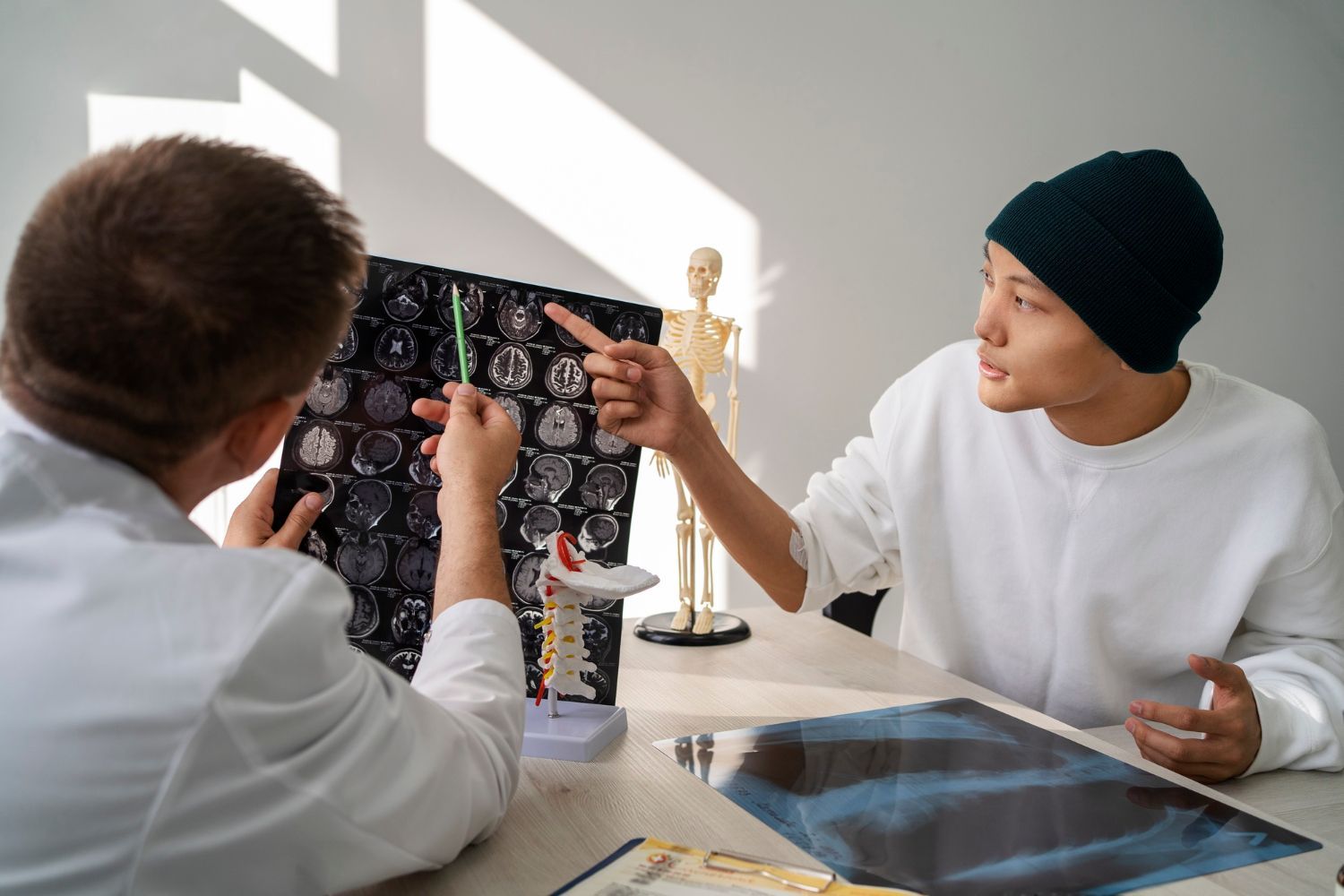
In those cases, a doctor might recommend active surveillance, watching the tumor through follow-up MRIs and neurological check-ins instead of treating it right away. The point is to catch any changes in size, appearance, or symptoms before they become a problem.
Choosing to monitor isn't the same as ignoring the tumor. It means the medical team believes immediate treatment wouldn't offer enough benefit to justify the risks, at least not yet. If the tumor grows or starts causing symptoms, the treatment options get reconsidered from scratch, which is part of why an ongoing relationship with a team that offers brain surgery in Newport Beach matters even for patients who start out on a watch-and-wait plan.
What determines treatment
A few key factors shape whether surgery makes sense.
Tumor type matters most. Some tumors are benign; others are cancerous or capable of behaving aggressively. Size and growth rate matter too, a tumor that's stayed stable across several scans gets approached differently than one that's clearly growing.
Location carries just as much weight. The brain handles movement, speech, vision, memory, balance, and a long list of other functions. A tumor sitting near one of those areas presents a much harder surgical problem than one tucked somewhere less sensitive.
Symptoms play into it as well. Seizures, weakness, vision changes, speech problems, balance issues, or worsening neurological symptoms can all push treatment toward more urgent territory.
When discussing brain surgery in Newport Beach, all of these factors should be part of the conversation. A good recommendation doesn't just explain what can be done, it explains why that particular approach makes sense for you.
When surgery makes sense
Surgery becomes appropriate when a tumor is growing, causing real symptoms, creating pressure, or when tissue is needed for an accurate diagnosis.
The goal of surgery isn't always the same. Sometimes it's removing as much of the tumor as safely possible. Other times, a biopsy is the whole point, just figuring out exactly what type of tumor you're dealing with.
Complete removal isn't automatically the safest goal, either. If a tumor sits close to an area responsible for speech, movement, vision, or another critical function, taking out every visible bit of it could cause serious neurological damage. For anyone exploring brain surgery in Newport Beach, this is worth understanding clearly: success isn't measured only by how much tissue comes out. Protecting brain function matters just as much.
Other treatment options
Surgery is only one piece of brain tumor treatment. Depending on the diagnosis, doctors might also consider radiation therapy, stereotactic radiosurgery, chemotherapy, targeted medications, or some combination of these.
For some tumors, radiation follows surgery. For others, a nonsurgical treatment gets used instead of an operation entirely. This is exactly why patients researching brain surgery in Newport Beach shouldn't compare treatments based only on how invasive they sound. The right treatment depends on the tumor's biology, its location, its size, your symptoms, your overall health, and what you're actually trying to achieve.
Why a second opinion helps
A brain tumor diagnosis forces some difficult decisions. Getting a second medical opinion can help a patient understand more clearly whether surgery, surveillance, or another treatment is the right call.
When it comes to brain surgery in Newport Beach, a second opinion is especially useful if the tumor sits near a critical brain structure, or if there are several reasonable treatment paths to weigh. Another consultation might confirm the original recommendation, or it might offer a different angle entirely. Either way, patients tend to move forward with more confidence once they've heard it twice.
Take the time to understand your diagnosis, your treatment goals, the expected benefits, and the possible risks. The role of a good specialist isn't just explaining procedures, it's helping you actually understand the choices in front of you.
Conclusion
A brain tumor diagnosis doesn't automatically mean surgery is next. Some tumors can be watched over time; others need treatment because of their size, growth, location, or symptoms. When you're weighing brain surgery in Newport Beach, understand the reasoning behind each recommendation, and ask directly about the benefits, the risks, and the alternatives.
Getting clear answers turns an overwhelming decision into a manageable one. Robert Louis, MD, and the rest of the team believe informed patients make better decisions about their own care. The right treatment plan should be personalized, carefully weighed, and built around protecting both your health and your quality of life.