Rathke’s Cleft Cyst

Rathke’s Cleft Cyst

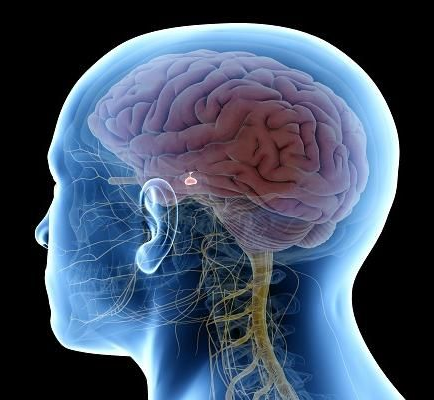
Rathke’s cleft cysts are benign or non-cancerous formations known as a cyst, with a thin membrane filled with fluid. Rathke’s cleft cysts are benign formations and not actual tumors. The pituitary gland is composed of anterior and posterior glands. Where these two glands meet is called Rathke’s pouch. This pouch normally closes during fetal development, but sometimes a remnant persists as a cleft. If the Rathke’s pouch does not close completely, this is where a large cyst called the Rathke’s cleft cyst develops.

Rathke’s Cleft Cyst-cause

CAUSE

Rathke’s cleft cyst can develop when Rathke’s pouch does not close completely. The exterior of the cyst is a thin clear membrane while the interior is filled with fluid.

Rathke’s Cleft Cyst-symptoms

Symptoms

Rathke cleft cysts do not always produce noticeable symptoms. It is often left undetected and often discovered in imaging tests for other conditions.

Rathke’s Cleft Cyst-diagnosis

Diagnosis

To diagnose Rathke’s cleft cyst, Robert Louis, MD, who has the experience and expertise in diagnosing Rathke’s cleft cyst, will conduct thorough medical history, and neurologic exam. Standard diagnostic tests for Rathke’s cleft cyst include blood tests, MRI or CT scan, and a vision test.

Rathke’s Cleft Cyst-treatment

Treatment

Rathke’s cleft cyst treatment typically requires surgical drainage and/or removal. The goal of surgery is to completely remove or drain the cyst contents while preserving pituitary function and alleviating symptoms. Removing the cyst lining is often avoided to minimize damage to the pituitary gland. Complete removal of Rathke’s cleft cyst is possible in 80-95 percent of cases, with a recurring rate of 5–15 percent over 5-10 years.

Minimally Invasive Endoscopic Transsphenoidal Surgery

Orange County neurosurgeon Robert Louis, MD, specializes in minimally invasive endoscopic transsphenoidal surgery to access, drain or remove Rathke’s cleft cyst through the natural nasal pathways. This sophisticated procedure minimizes complications, hospital time, trauma, and discomfort for patients. Dr. Louis has the specialized skills and training with this advanced technique. Read more about Endoscopic Transsphenoidal Surgery.

CONTACT US

Please feel free to fill out the form provided on the right with your questions and Dr. Louis and his team will get back to you as soon as possible.

Contact Us