Hypopituitarism

Hypopituitarism

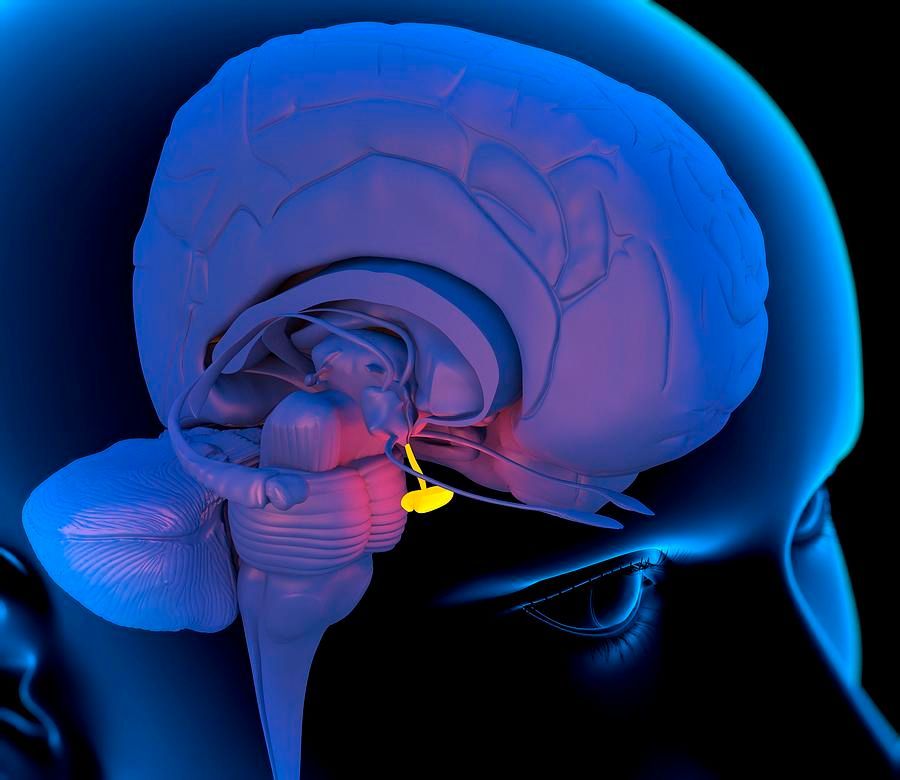
Hypopituitarism is a medical condition in which the pituitary gland — a small gland located at the base of the brain — fails to produce one or more of its hormones, or doesn’t produce enough of them.


Since the pituitary gland controls several other endocrine glands (like the thyroid, adrenal glands, ovaries, and testes), a deficiency in pituitary hormones can affect many body systems.

CAUSE

Common causes of hypopituitarism include pituitary tumors, head injuries, or damage from brain surgery or radiation near the gland. It can also result from infections, autoimmune diseases, or, more rarely, genetic disorders. All of these conditions can disrupt the pituitary’s ability to produce hormones normally.

Symptoms

Below is a list of common symptoms of hypopituitarism, which can vary depending on which hormones are lacking:


  • Fatigue and general weakness
  • Unexplained weight gain or loss
  • Low blood pressure or dizziness
  • Cold intolerance (feeling unusually cold)
  • Loss of appetite
  • Pale, dry skin
  • Decreased libido or sexual dysfunction
  • Infertility or irregular/absent menstrual periods in women
  • Reduced facial or body hair in men
  • Depression or mood changes
  • Sensitivity to stress (due to low cortisol)
  • Short stature or slow growth in children

Diagnosis

Diagnosing hypopituitarism involves several steps, since doctors must determine which pituitary hormones are deficient and why the gland isn’t functioning properly. Diagnosis typically includes:


Medical history and physical exam: reviewing symptoms such as fatigue, low libido, or menstrual changes, and checking for signs of hormone deficiency.


Blood Tests:  to measure hormone levels, which include pituitary hormones, target gland hormones, and sometimes “stimulation tests” are used to see how the pituitary responds when it’s prompted to produce hormones.


Imaging tests: usually an MRI scan of the brain to look for pituitary tumors, inflammation, or structural damage.


Vision testing: if a pituitary tumor is suspected, since tumors can press on the optic nerves and affect sight.


Once the cause is identified, treatment is tailored to both replace missing hormones and address the underlying issue (such as surgery for a tumor).

Treatment

Treatment for hypopituitarism involves replacing missing hormones and treating the underlying cause. Hormone replacement may include cortisol (hydrocortisone or prednisone), thyroid hormone (levothyroxine), sex hormones (testosterone or estrogen/progesterone), and sometimes growth hormone or fertility hormones. If a pituitary tumor or other condition caused the problem, it may require surgery, radiation, or medication. Lifelong endocrinologist follow-up is needed to adjust hormone doses and monitor health.

CONTACT US

Please feel free to fill out the form provided on the right with your questions and Dr. Louis and his team will get back to you as soon as possible.

Contact Us