GLIOMA/GLIOBLASTOMA

Glioma/Glioblastoma

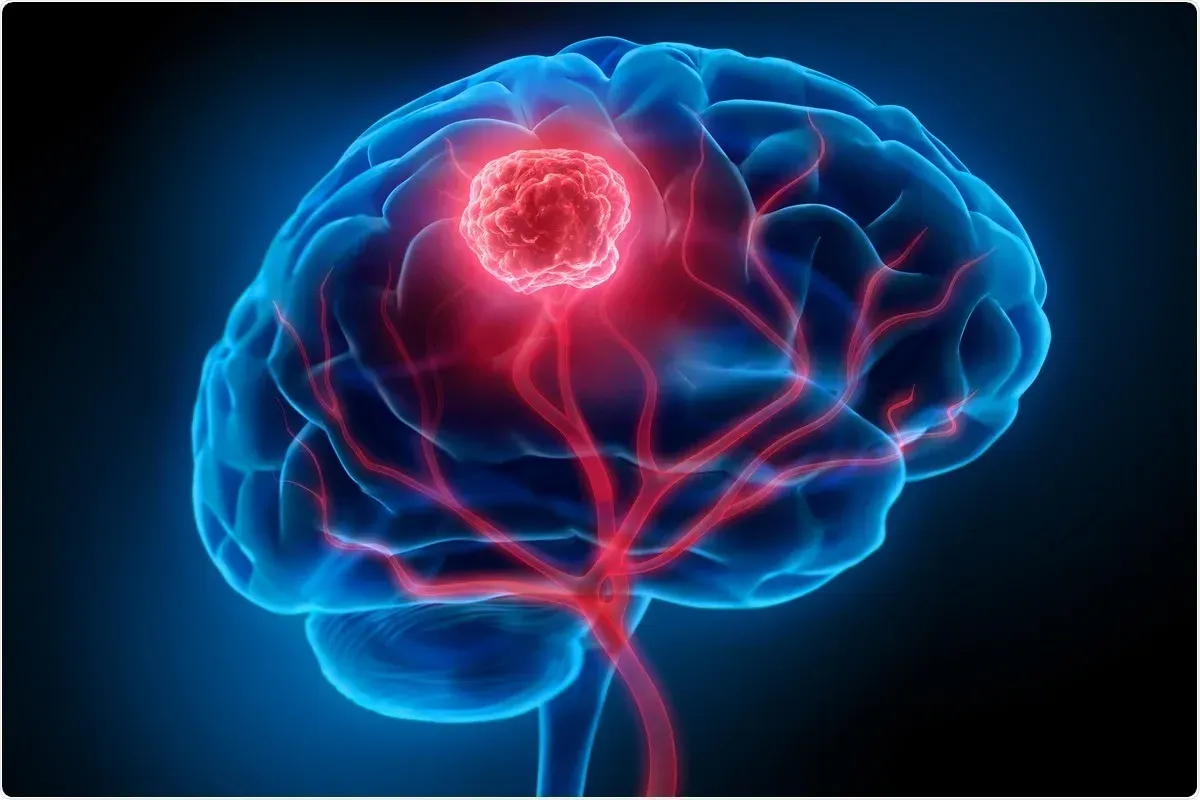
Glioma is a type of primary tumor that occurs in the brain and spinal cord and can either be benign or malignant. Gliomas form from the glial cells, the tissues that surround and support the brain neurons.


A glioma is a primary brain tumor that originates from the supportive cells of the brain, called glial cells. Glial cells are the most common cellular component of the brain.


There are three principle types of glial cells: astrocytes, oligodendrocytes and ependymal cells. There are five to 10 times more glial cells than neurons. Glial cells have the ability to divide and multiply, unlike neurons. If this process occurs too rapidly and uncontrollably, a glioma forms. Gliomas are also classified by the type of cells they affect. In some cases, tumors can have mixed features and therefore be named mixed glioma.


Types of Gliomas:

Glioblastoma Multiforme - This is high-grade astrocytoma and the most malignant and common form of glioma.

Brainstem Glioma - The glioma that develops in the brain stem.

Ependymoma - The glioma that develops from ependymal cells.

Mixed Glioma - The glioma that develops from more than one type of glial cell.

Oligodendroglioma - The glioma that develops in the oliogendroctyes, the supportive tissue cells of the brain.

Optic Nerve Glioma - The glioma that develops in or around the optic nerve.

Glioma/Glioblastoma-cause

CAUSE

There is no know common cause for glioma and glioblastoma.

Glioma/Glioblastoma-symptoms

Symptoms

Depending on its size, grade, and location, gliomas in the brain can cause a wide variety of symptoms including:


  • Nausea
  • Vomiting
  • Headaches
  • Seizures
  • Blurry vision
  • Dizziness
  • Weakness
  • Numbness
  • Loss of balance
  • Light flashes
  • Fainting spells
  • Difficulty with speech


Glioma/Glioblastoma-diagnosis

Diagnosis

Initial treatment will involve thorough medical history and physical exam, including the patient’s symptoms, personal and family health history. To help detect glioma, Robert Louis, MD conducts a neurological exam to test a patient’s vision, hearing, balance, coordination, reflexes, memory and the ability to think.


Special imaging, MRI or CT scan, will be required to detect a possible glioma. However, tissue diagnosis with robotic minimally invasive biopsy is required to confirm the diagnosis. The results of the biopsy may take up to 5 days to finalize. 

Glioma/Glioblastoma-treatment

Treatment

Treatment of glioma by Orange County neurosurgeon, Robert Louis, MD, will depend on the location, type, and size of the glial tumor and the patient’s overall health condition. Most gliomas can be surgically removed through one of the minimally invasive keyhole approaches.


  • Surgical Resection
  • Radiation Therapy
  • Chemotherapy
  • Clinical Trials
  • Optune (Tumor Treating Fields)
  • Immune Therapy
  • Targeted Therapy
  • Laser Therapy

CONTACT US

Please feel free to fill out the form provided on the right with your questions and Dr. Louis and his team will get back to you as soon as possible.

Contact Us