

COLLOID CYST

Colloid Cyst

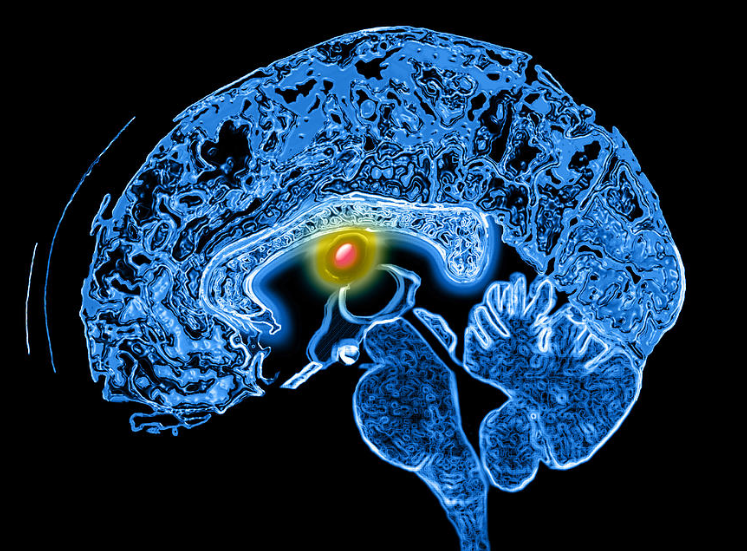
Colloid cyst is a non-cancerous mucous-like mass that commonly appears near the center of the brain, also called the third ventricle. This slow-growing mass can range in size from a few millimeters to several centimeters and are found in the area of the brain known as the third ventricle. As the size of the colloid cyst grows, it can impede the flow of cerebral spinal fluid (CSF). Build up CSF can result in elevated pressure in the brain. If left undiagnosed and untreated, it can cause hydrocephalus, headache, memory loss, confusion, coma, and even death. Surgery to remove the colloid cyst generally cures a person with this condition.

Colloid Cyst-cause

CAUSE

Colloid cysts originate during embryological/fetal development. These cysts have thin walls and are filled with a yellow or green fluid.

Colloid Cyst

Symptoms

This slow-growing mass is usually asymptomatic. But when symptoms are exhibited, it can range from dizziness to something more serious or fatal:


  • Memory Loss
  • Persistent Headaches
  • Dizziness
  • Visual changes
  • Vomiting
  • Cognitive problems
  • Confusion
  • Drop attacks or loss of consciousness
  • Coma
  • Sudden death
Colloid Cyst-diagnosis

Diagnosis

Initial treatment will involve Robert Louis, MD conducting thorough medical history and physical exam, including the patient’s symptoms and health history. To help diagnose and confirm presence of colloid cyst, special imaging will be requested:

Magnetic resonance imaging (MRI): An MRI uses magnetic fields to produce detailed cross-sectional images of the brain.


Computed tomography (CT) scan: Imaging procedure that uses X-ray camera to scan series of detailed cross-sectional images of the brain.


After diagnostic tests are done, Dr. Louis will review all of the results with you and discuss to weigh up the pros and cons of surgical intervention

Colloid Cyst-treatment

Treatment

In most cases, the recommended treatment for colloid cysts is by surgical removal, either using open microsurgery or by endoscopic surgery. Radiotherapy is NOT an option in treating this condition. Determining the optimal treatment plan takes a number of factors into consideration, including the patient’s preferences, general health, size of the colloid cyst. Robert, Louis, MD specializes in minimally invasive brain surgery that are highly individualized to suit every patient’s needs.


The classic open microsurgical approach is referred to as interhemispheric transcallosal. The location of the craniotomy (bone window) is typically right fronto-parietal. This is the way to get deep into the brain without passing through, and damaging, any brain tissues. Colloid cyst aspiration attempts to normalize it by draining the cyst, least preferred unless the situation dictates that the surgical removal options are not feasible.


Minimally invasive surgeries

Robert Louis, MD specializes in minimally invasive brain surgery and treatment of colloid cyst using cutting edge technology and instrumentation.


Minimally invasive endoscopic surgery- Involves a very small incision coupled with an endoscope which provides less tissue disruption and a fuller view for the surgeon to have a cleaner extraction with least disruption on surrounding brain tissues.

CONTACT US

Please feel free to fill out the form provided on the right with your questions and Dr. Louis and his team will get back to you as soon as possible.

Contact Us