Craniopharyngioma

Craniopharyngioma

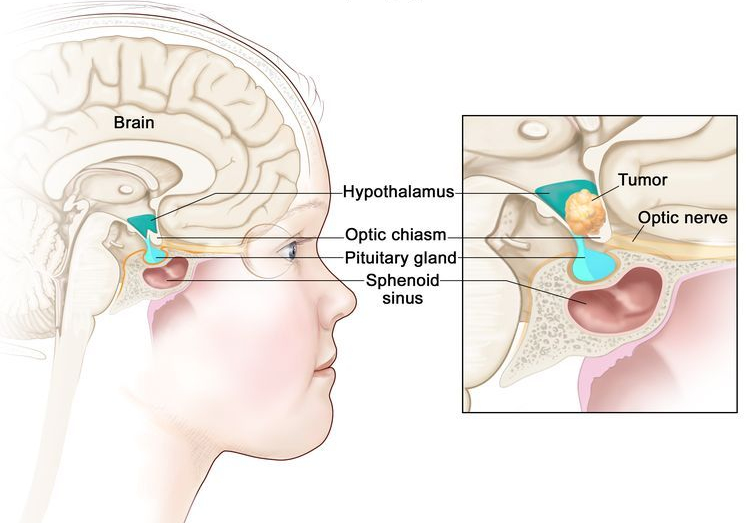
Craniopharyngioma is a skull base benign or non-cancerous tumor that develops in the pituitary gland. There are two types of this tumor: pediatric and adult craniopharyngioma. This slow-growing tumor is commonly found in two age groups— children up to age 14 and adults over age 45.

Craniopharyngioma-cause

CAUSE

N/A

Craniopharyngioma-symptoms

Symptoms

Symptoms of craniopharyngioma vary depending on the tumor location and size. Symptoms may include:


  • Headaches
  • Nausea
  • Vomiting
  • Visual symptoms
  • Balance problem
  • Hormonal imbalances
  • Delayed puberty
  • Stunted growth
  • Decreased libido
  • Weight gain
  • Cold intolerance
  • Fatigue or lethargy
  • Diabetes insipidus (excessive thirst and urination)
  • Absence of menstrual period in females
  • Diabetes insipidus
  • Behavioral change
Craniopharyngioma-diagnosis

Diagnosis

To diagnose craniopharyngioma, Robert Louis, MD, who has the experience and expertise in diagnosing craniopharyngioma, will conduct thorough medical history, and neurologic exam. Standard diagnostic tests for craniopharyngioma include:


Hormone tests -  Blood tests can help detect the overproduction of prolactin as a result of a pituitary tumor.


Magnetic resonance imaging (MRI) or computerized tomography (CT) scan - For more detailed pictures of the brain.


Vision test - This test will help determine if the growth of a pituitary tumor has affected or impaired your sight or peripheral vision.


Endocrinologist - Depending on your other symptoms, you may be referred to an endocrinologist for further diagnosis.

Craniopharyngioma-treatment

Treatment

Minimally invasive surgery remains the primary treatment for skull base craniopharyngioma.

Minimally Invasive Endoscopic Transsphenoidal Surgery
Orange County neurosurgeon Robert Louis, MD, specializes in minimally invasive endoscopic transsphenoidal surgery in the removal of craniopharyngioma. This sophisticated procedure removes the tumor while minimizing complications, hospital time, trauma, and discomfort. Dr, Louis has the specialized skills and training with this advanced technique. 
Read more about Endoscopic Transsphenoidal Surgery.

Radiation Therapy

Radiation therapy for craniopharyngioma is a must for all patients after surgery. Periodic MRI should be obtained twice a year for up to five years after the surgery or radiation and annually thereafter because craniopharyngioma tends to recur. Radiation therapy involves a highly focused dose of radiation to the tumor.


Hormone Replacement Therapy

Most patients with craniopharyngioma will develop pituitary hormonal deficiencies because of the tumor or side effects of radiotherapy. Patients may undergo hormone replacement therapy, which may include thyroid, cortisol, testosterone for men, and estrogen for women. Patients should have regular hormonal evaluations and visits to endocrinologists.

CONTACT US

Please feel free to fill out the form provided on the right with your questions and Dr. Louis and his team will get back to you as soon as possible.

Contact Us