How Brain and Skull Base Tumor Treatment Can Improve Your Health and Quality of Life
When faced with a diagnosis of a brain or skull base tumor, the journey can feel overwhelming. However, advancements in medical treatments and technologies have paved the way for improved outcomes, significantly enhancing health and quality of life. At Brain & Spine MD, led by renowned Spine Surgeon Specialist Dr. Robert Louis, we specialize in the treatment of various neurologic conditions, including brain and skull base tumors. Understanding the treatment options available can empower patients and their families, leading to better health decisions and ultimately, a more fulfilling life.
Understanding Brain and Skull Base Tumors
Brain and skull base tumors can be classified into several types, including meningiomas, gliomas, pituitary tumors, and schwannomas, among others. Each type presents unique challenges based on its location, size, and growth pattern. Understanding these tumors is essential for effective treatment planning. Meningiomas, for example, arise from the protective layers surrounding the brain and spinal cord and are often slow-growing, while gliomas originate from glial cells and can be more aggressive.
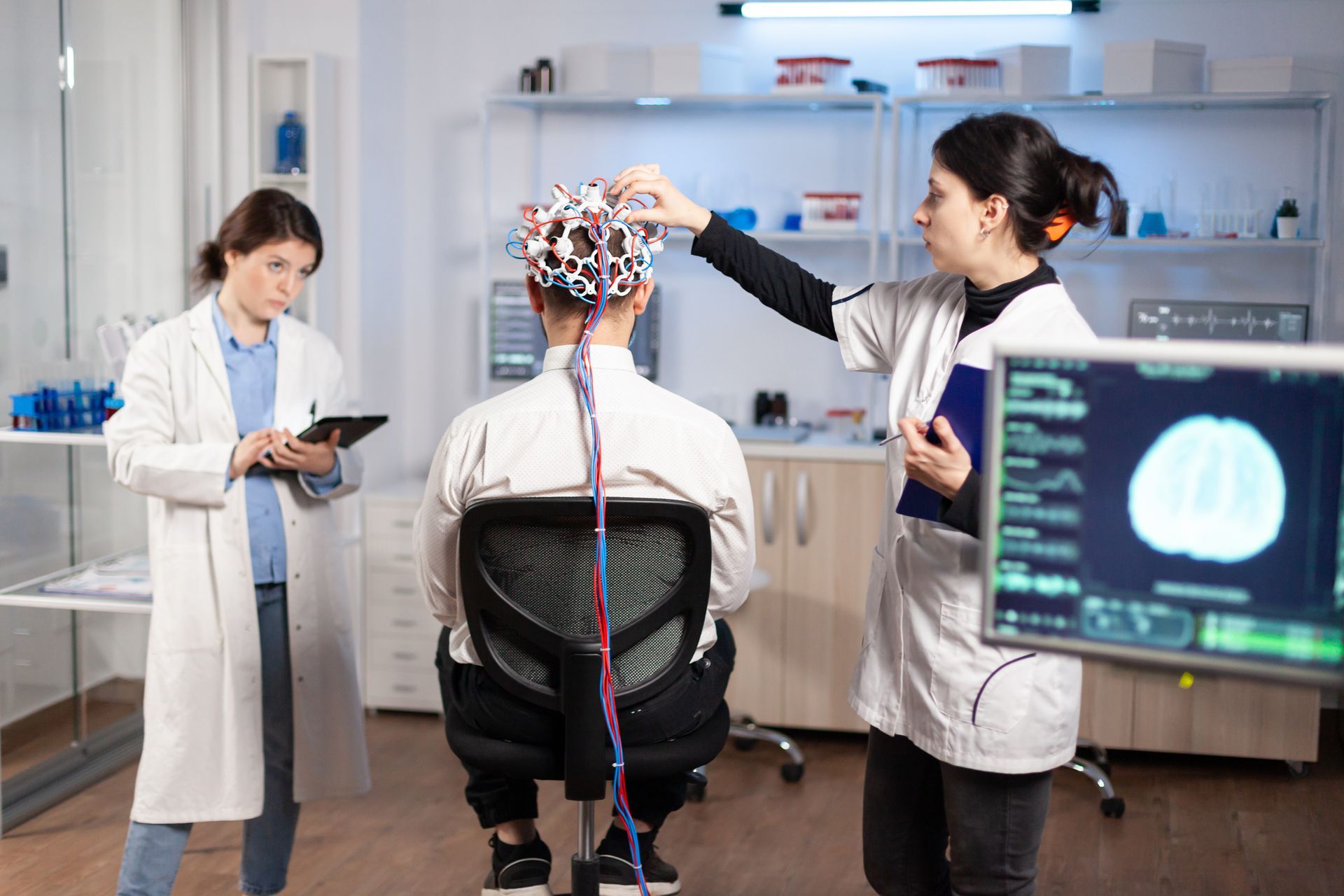
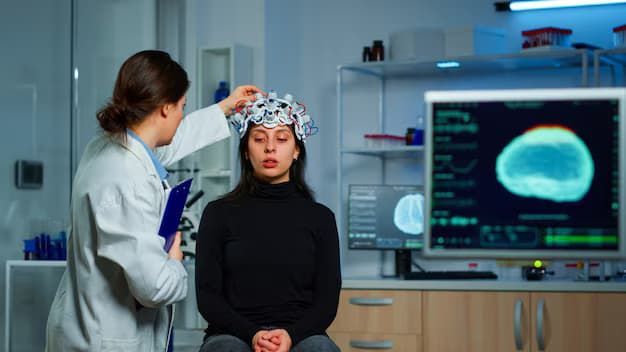
Dr. Robert Louis, as part of his extensive training, has developed a profound expertise in treating these complex conditions through minimally invasive techniques. This approach not only aims to remove the tumor but also to preserve surrounding brain tissue and neurological function. By utilizing advanced imaging technologies such as MRI and CT scans, Dr. Louis can accurately assess the tumor’s characteristics, leading to a tailored treatment approach that addresses the unique needs of each patient in Spine Surgeon Specialist.
The Importance of Early Diagnosis and Treatment
Early diagnosis is crucial in the management of brain and skull base tumors. Symptoms such as headaches, seizures, vision or hearing problems, and cognitive changes can be alarming and often lead patients to seek medical attention. Once diagnosed, timely intervention becomes pivotal. Research indicates that patients who undergo treatment sooner tend to have better outcomes, including improved survival rates and recovery times.
We emphasize the importance of a comprehensive evaluation. Dr. Louis collaborates with a multidisciplinary team to ensure a holistic approach to treatment. This may include neurosurgeons, oncologists, and radiologists who collectively devise a strategy that may involve surgery, radiation therapy, or both. The goal is not only to remove the tumor but also to enhance the patient’s overall health and well-being.
Innovative Treatment Options
Treatment for brain and skull base tumors has evolved dramatically over the years. Dr. Robert Louis is at the forefront of these advancements, employing cutting-edge techniques such as the CyberKnife® Robotic Radiosurgery System and minimally invasive endoscopic approaches. These methods of Spine Surgeon Specialist significantly reduce recovery times and minimize the risks associated with traditional open surgeries.
For instance, the CyberKnife® system allows for precise targeting of tumors with high doses of radiation while sparing surrounding healthy tissue. This is particularly beneficial for patients who may not be ideal candidates for surgery due to other health conditions. Similarly, minimally invasive endoscopic techniques enable access to tumors through small openings, leading to less trauma and quicker recovery periods.
Patients often express relief and gratitude after undergoing treatment at Brain & Spine MD, highlighting the compassionate care they received from Dr. Louis and his team. The focus on patient comfort and individualized care is a hallmark of our practice. By prioritizing the patients’ needs and concerns, we create a supportive environment that fosters healing.
Improving Quality of Life
The impact of successful treatment extends beyond physical health; it significantly enhances the quality of life for patients. Many individuals report a return to their daily activities and a renewed sense of vitality following treatment. This is particularly important in the context of brain tumors, where the psychological burden can be as significant as the physical challenges.
We understand that each patient’s journey is unique. Therefore, we offer tailored rehabilitation services to help individuals regain their strength and independence post-treatment. This may include physical therapy, occupational therapy, and counseling services aimed at addressing both the physical and emotional aspects of recovery.
Moreover, Dr. Louis emphasizes the importance of ongoing monitoring and follow-up care. Regular check-ups allow us to track progress, manage any potential side effects, and adapt treatment plans as necessary. This proactive approach not only ensures that patients remain healthy but also fosters a sense of security and reassurance.
Empower Yourself with Knowledge
Navigating the complexities of brain and skull base tumor treatment can be daunting, but knowledge is a powerful tool. Understanding the types of tumors, available treatments, and the importance of early intervention empowers patients to make informed decisions about their health.
We pride ourselves on providing comprehensive resources and support to our patients. From educational materials to patient testimonials, we equip individuals with the information they need to embark on their treatment journey confidently. Our commitment to transparent communication means that patients are always informed and involved in their care.
Dr. Robert Louis and the team at Brain & Spine MD are dedicated to improving the lives of those affected by brain and skull base tumors. By offering state-of-the-art treatment options and compassionate care, we aim to not only treat the condition but also enhance overall well-being. Your health is our priority, and together, we can navigate the path to recovery and improved quality of life.
Frequently Asked Questions:
What are brain and skull base tumors?
Brain and skull base tumors are abnormal growths in the brain or the base of the skull. These tumors can include meningiomas, gliomas, pituitary tumors, and schwannomas, each with different growth patterns and effects on the surrounding brain structures. Due to their location, these tumors often require specialized treatment.
What symptoms should I watch for with brain and skull base tumors?
Common symptoms of brain and skull base tumors include headaches, seizures, vision or hearing problems, cognitive changes, and balance issues. If you experience any of these, it’s important to consult a medical professional for proper evaluation.
How is brain and skull base tumor treatment decided?
Treatment is customized based on the tumor’s type, location, size, and the patient’s overall health. Dr. Robert Louis and his team at Brain & Spine MD use advanced diagnostic tools such as MRI and CT scans to create a tailored treatment plan that may include surgery, radiation therapy, or a combination of both.
What are the treatment options for brain and skull base tumors?
Treatment options include traditional surgery, minimally invasive endoscopic surgery, and robotic radiosurgery systems like the CyberKnife®. These innovative treatments aim to remove or shrink the tumor while minimizing damage to surrounding tissues and reducing recovery times.
What is the CyberKnife® system, and how does it work?
The CyberKnife® Robotic Radiosurgery System is a non-invasive treatment option that delivers precise, high-dose radiation to the tumor while sparing healthy surrounding tissue. It’s particularly useful for patients who may not be candidates for traditional surgery due to other health conditions.
How does minimally invasive endoscopic surgery help in tumor treatment?
Minimally invasive endoscopic surgery allows for access to the tumor through small openings, reducing the trauma associated with traditional open surgeries. This approach often results in quicker recovery times, less pain, and a lower risk of complications.
How will brain and skull base tumor treatment affect my quality of life?
Successful treatment of brain and skull base tumors can significantly improve your quality of life. Many patients experience a return to normal activities, renewed vitality, and improved mental health following treatment. Ongoing care, such as rehabilitation services, further supports recovery.
Will I need rehabilitation after treatment?
Yes, many patients benefit from rehabilitation after brain and skull base tumor treatment. This may include physical therapy, occupational therapy, and counseling to address the physical and emotional aspects of recovery and help you regain strength and independence.
How important is early diagnosis and treatment?
Early diagnosis and treatment are crucial in improving outcomes for brain and skull base tumor patients. Timely intervention can lead to better survival rates, quicker recovery, and reduced risk of complications. Dr. Louis emphasizes the importance of seeking medical attention if you experience symptoms like headaches or vision changes.
How will my treatment be monitored after surgery?
Dr. Robert Louis and his team provide ongoing follow-up care to monitor your recovery and ensure that any potential side effects or complications are addressed. Regular check-ups and imaging tests will help track your progress and guide any necessary adjustments to your treatment plan.
How can I learn more about brain and skull base tumor treatment?
At Brain & Spine MD, we provide comprehensive resources, including educational materials and patient testimonials, to help you better understand your condition and treatment options. We encourage open communication so you can make informed decisions about your health and feel supported throughout your journey.