Why Advanced Brain Surgery Is Becoming More Accessible Outside Major Academic Hospitals
Patients looking for brain surgery in Costa Mesa have more options today than they did in the past. Fellowship-trained neurosurgeons, advanced imaging technology, minimally invasive techniques and multidisciplinary care are now available in many regional medical centers. The right choice depends on your diagnosis, your surgeon's experience and the treatment approach, not simply the size or reputation of the hospital.
For years, many people believed that if they needed brain surgery, they would have to travel to a large university or academic hospital. It was a common assumption that the most advanced treatments were only available in a handful of major medical centers. While those hospitals continue to play an important role in neurological care, the way patients access brain surgery has changed significantly.
Today, advanced technology, specialized surgical training and improved collaboration among healthcare providers have made high-quality neurosurgical care available in more communities than ever before. This shift is giving patients additional choices when deciding “where can I find brain surgery in Costa Mesa” without automatically planning for treatment hours away from home.
At Robert Louis, MD, we meet patients who begin their search believing they need to leave Orange County for specialized care. Many are surprised to learn that advanced brain surgery is becoming increasingly available closer to where they live.
Why Major Academic Hospitals Were Once the First Choice
Years ago, many complex brain surgeries required specialized equipment and highly trained surgical teams that were found only at major academic hospitals. Patients with brain tumors, skull base disorders or complex neurological conditions were referred to large institutions because they offered resources that smaller hospitals simply did not have.
As medical technology evolved, so did the ability of experienced neurosurgeons to perform these procedures in advanced regional hospitals equipped with modern operating rooms and specialized support teams.
This has changed the way patients answer the question, "Where can I find brain surgery in Costa Mesa?"
Advanced Technology Has Changed What's Possible
One of the biggest reasons advanced brain surgery has become more accessible is technology.
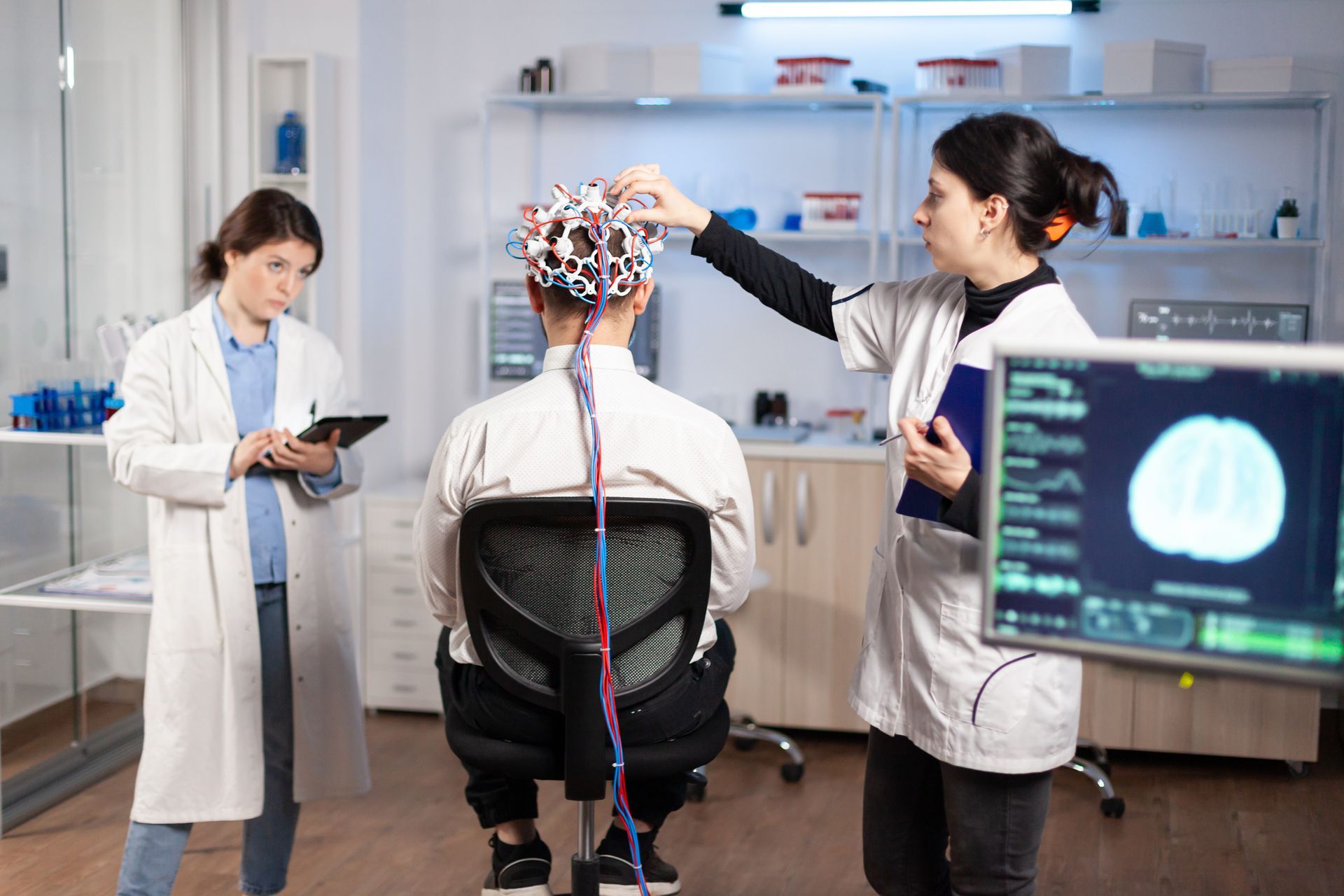
Modern neurosurgery relies on tools that improve precision before and during surgery. High-resolution MRI and CT imaging, neuronavigation systems, surgical microscopes and intraoperative monitoring help surgeons plan procedures with greater accuracy while protecting healthy brain tissue.
Many hospitals outside major academic centers now have access to these technologies, allowing patients to receive advanced care closer to home.
Rather than choosing a hospital based only on its name, patients are beginning to ask about the technology available and the experience of the surgical team.
Expertise Matters More Than the Hospital Name
Hospital reputation is important but it should not be the only factor when choosing where to receive care.
Many fellowship-trained neurosurgeons specialize in treating specific neurological conditions, including:
- Brain tumors
- Pituitary tumors
- Skull base tumors
- Trigeminal neuralgia
- Hemifacial spasm
- Hydrocephalus
- Brain metastases
Patients searching “where can I find brain surgery in Costa Mesa” discover that finding the right surgeon with experience treating their condition is just as important as selecting the hospital itself.
Better Access Means Better Patient Experience
Receiving treatment closer to home can make a meaningful difference throughout the care journey.
Patients benefit from-
- Easier access to consultations.
- Shorter travel times for appointments.
- Family members are able to provide support more easily.
- More convenient follow-up visits after surgery.
- Better coordination with local physicians and rehabilitation providers.
For many families, these practical advantages reduce stress during an already challenging time.
Not Every Brain Condition Requires Traveling Across the State
One of the biggest misconceptions is that every complex neurological diagnosis requires treatment at a university medical center.
While certain rare or highly specialized cases may still benefit from referral to a large academic institution, many patients can safely receive advanced brain surgery closer to home.
This is why patients asking "Where can I find brain surgery in Costa Mesa?" should focus on understanding their diagnosis before assuming they need to travel long distances.
An experienced neurosurgeon can explain whether local treatment is appropriate or whether referral to another center would provide additional benefits.
Questions to Ask Before Choosing Where to Have Brain Surgery
Whether you're considering treatment locally or elsewhere, asking the right questions can help you make an informed decision.
Consider discussing:
- How often do you perform this procedure?
- Do you specialize in treating my condition?
- What surgical technologies are available?
- Is minimally invasive surgery an option?
- What can I expect during recovery?
- Will my treatment involve other specialists?
These conversations provide more valuable information than simply comparing hospital rankings.
The Future of Brain Surgery Is Closer Than Many Patients Expect
Advances in neurosurgery continue to improve patient access to specialized care. As technology becomes more widely available and fellowship-trained neurosurgeons practice in regional medical centers, patients have more choices than ever before.
At Robert Louis, MD, we believe every patient deserves clear guidance when deciding “where can I find brain surgery in Costa Mesa”. Our goal is to provide personalized recommendations based on your diagnosis, treatment goals and overall health, not assumptions about where advanced care can or cannot be found.
Choosing where to have brain surgery is an important decision. By looking beyond hospital size and focusing on expertise, technology and individualized care, patients can make choices that best support both their treatment and recovery.
Frequently Asked Questions
Where can I find brain surgery in Costa Mesa?
Patients can find brain surgery in Costa Mesa through experienced neurosurgeons practicing at advanced regional medical centers. The best choice depends on your diagnosis, the surgeon's expertise and the treatments available for your condition.
Do I always need to go to a major academic hospital for brain surgery?
No. Many advanced brain surgeries are now performed successfully at regional hospitals with experienced neurosurgeons, specialized technology and multidisciplinary care teams. Some rare or highly complex cases may still require referral to a major academic center.
What should I look for when choosing a brain surgeon?
Consider the surgeon's experience with your specific condition, available surgical technology, hospital resources, treatment approach and willingness to discuss all available options.
Is minimally invasive brain surgery available outside academic hospitals?
Yes. Many regional neurosurgical centers now offer minimally invasive techniques for selected brain conditions. Whether you're a candidate depends on your diagnosis and overall health.
Should I get a second opinion before brain surgery?
A second opinion can help confirm your diagnosis, review treatment recommendations and give you greater confidence before making a decision. Many patients choose this step, especially when facing complex neurological conditions.