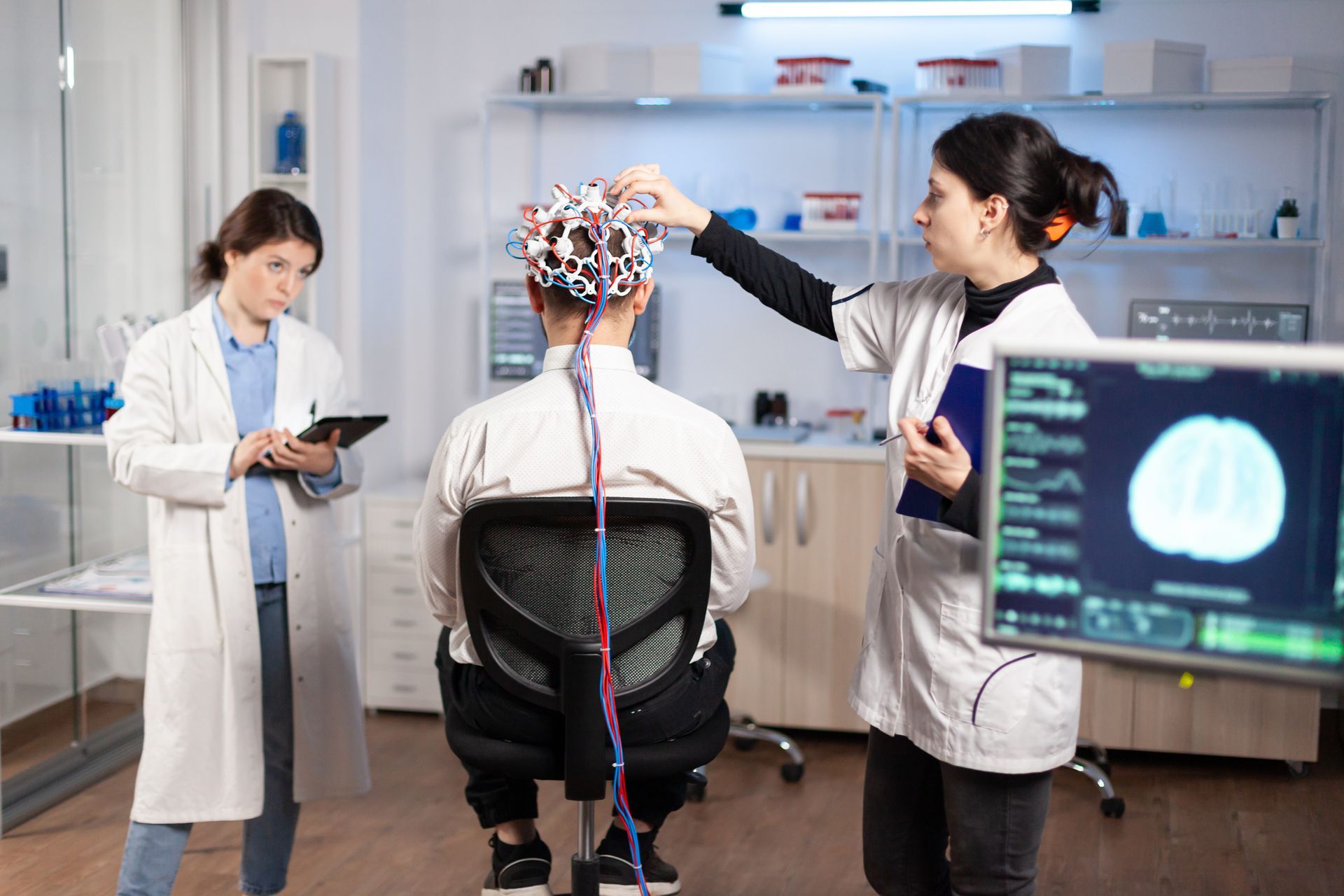
The Rise of Team-Based Brain Surgery: Why One Specialist Is No Longer Making Every Decision Alone
Brain surgery is performed by a board-certified neurosurgeon. However, many patients today are treated through a multidisciplinary team that may include neurologists, neuroradiologists, neuro-oncologists, ENT surgeons for certain skull base procedures, anesthesiologists, rehabilitation specialists and specialized nursing staff.
For many years, people believed brain surgery was planned and performed by a single surgeon making every important decision. While the neurosurgeon remains the specialist who performs the operation, the way brain care is delivered has changed. Today's patients benefit from a team of experts working together before, during and after surgery.
This shift is helping patients receive more personalized treatment instead of a one-size-fits-all approach. Whether someone has a brain tumor, a skull base condition or another neurological disorder, multiple specialists may review the diagnosis and recommend the best path forward. As more patients ask, "Who performs brain surgery in Orange County?", they are also beginning to ask another important question: Who helps decide the best treatment for my condition?
At Robert Louis, MD, we believe that informed patients make better decisions. Understanding how a multidisciplinary care team works can provide greater confidence before any treatment begins.
Why Brain Surgery Is No Longer a One-Person Decision
Neurological conditions can be complex. Even when two patients receive the same diagnosis, their treatment plans may be very different.
Advances in medical imaging, surgical technology and targeted therapies have created more treatment options than ever before. Because of this, many brain surgery decisions now involve input from several specialists who review medical records, imaging studies and overall health before recommending a plan.
Rather than relying on one opinion alone, patients benefit from a broader perspective that considers both surgical and non-surgical options.
Who Performs Brain Surgery in Orange County?
When patients search "Who performs brain surgery in Orange County?" are looking for the specialist responsible for the operation.
The surgery itself is performed by a neurosurgeon. Neurosurgeons complete years of specialized training focused on conditions affecting the brain, spine, and nervous system.
Depending on the diagnosis, other specialists may also play important roles throughout the patient's care.
For example:
- Neurologists diagnose and manage neurological conditions before surgery is considered.
- Neuroradiologists carefully interpret MRI and CT scans.
- Neuro-oncologists help manage certain brain tumors before or after surgery.
- ENT surgeons may work alongside neurosurgeons during selected skull base procedures.
- Rehabilitation specialists assist patients during recovery to help restore strength and function.
Each member contributes expertise that supports better decision-making throughout treatment.
Why Team-Based Care Leads to Better Planning
One of the biggest advantages of multidisciplinary care is that treatment planning becomes more comprehensive.
Instead of asking only whether surgery is possible, the care team also considers questions such as:
- Is surgery the best option?
- Would observation be appropriate?
- Could medication help first?
- Is radiosurgery a better alternative?
- Can minimally invasive techniques achieve the same goal?
Discussing these possibilities helps ensure that every recommendation is based on the patient's specific diagnosis rather than following the same approach for everyone.
Better Communication Means Better Patient Care
Another reason patients value team-based care is improved communication.
When specialists work together, important information is shared more efficiently. Imaging results, treatment recommendations, surgical planning and recovery goals are coordinated instead of being reviewed separately.
This collaboration helps reduce confusion and allows patients to receive consistent information throughout their care journey.
For individuals facing a neurological diagnosis, knowing that multiple experts have reviewed the treatment plan provides additional reassurance.
Patients Are Asking Different Questions Today
Healthcare decisions have changed over the past decade.
Instead of simply searching "Who performs brain surgery in Orange County?", patients are also asking:
- Does this surgeon regularly treat my condition?
- Will other specialists review my case?
- Are minimally invasive options available?
- What happens if surgery is not the best choice?
These questions reflect a growing interest in personalized care rather than routine treatment. Patients want to understand how decisions are made and whether every available option has been carefully considered.
Choosing the Right Team Matters
Experience remains one of the most important factors in neurosurgical care, but today's patients are also looking at the strength of the entire care team.
When evaluating treatment options, it helps to consider:
- The neurosurgeon's experience with your condition.
- Access to advanced imaging and surgical technology.
- Collaboration with other neurological specialists.
- Availability of minimally invasive treatment options.
- Support before, during and after surgery.
Looking at the complete picture provides a better understanding of the care you will receive.
A New Standard for Brain Surgery
Brain surgery continues to evolve and so does the way treatment decisions are made. While the neurosurgeon remains the physician who performs the operation, successful care depends on collaboration among multiple specialists working toward the same goal.
At Robert Louis, MD, we believe every patient deserves a treatment plan that reflects their individual needs, not just their diagnosis. If you're wondering who performs brain surgery in Orange County, it's equally important to understand who helps guide every step of your care. A team-based approach allows patients to benefit from shared expertise, thoughtful planning and personalized recommendations from the very beginning.
Frequently Asked Questions
Who performs brain surgery in Orange County?
Brain surgery is performed by a board-certified neurosurgeon. Depending on your condition, your care may also involve neurologists, neuroradiologists, neuro-oncologists, ENT surgeons and rehabilitation specialists.
Why are multiple specialists involved in brain surgery?
Complex neurological conditions benefit from different medical perspectives. A multidisciplinary team helps evaluate treatment options, review imaging and create a personalized care plan.
Does a neurologist perform brain surgery?
No. Neurologists diagnose and manage disorders of the nervous system but do not perform surgery. Brain surgery is performed by a neurosurgeon.
Do all patients need a multidisciplinary care team?
Not every case requires multiple specialists but many complex brain conditions benefit from collaborative planning to ensure the most appropriate treatment approach.
Why is team-based brain surgery becoming more common?
Advances in imaging, surgical techniques and specialized neurological care have made collaboration more valuable. Working together allows specialists to develop treatment plans that are tailored to each patient's diagnosis and long-term goals.