Is keyhole brain surgery an option for deep-brain tumors?
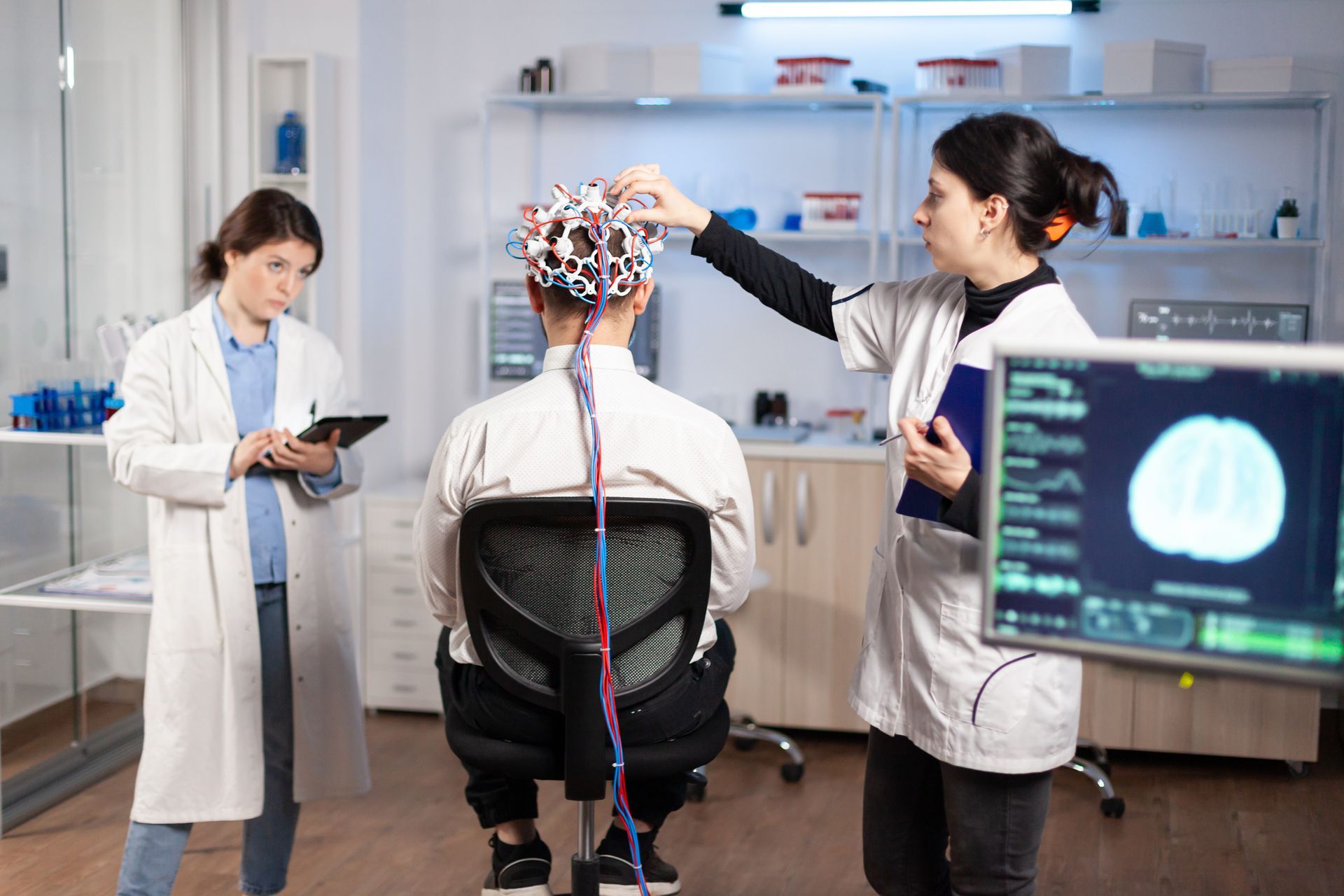
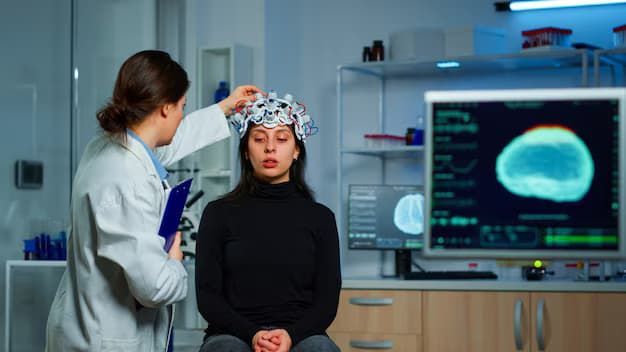
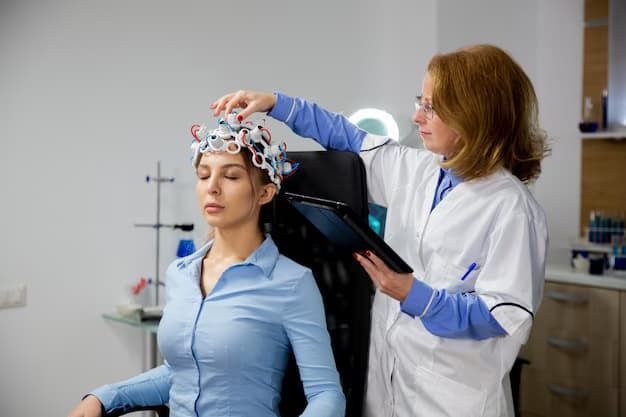
Modern neurosurgery relies on detailed imaging before any surgical decision is made, helping us plan each step with accuracy and confidence. MRI scans allow us to clearly identify the tumor’s exact size, depth, and location within the brain, while functional brain mapping highlights the areas responsible for essential functions such as speech and movement.
Keyhole brain surgery planning becomes more precise with these tools. Neuronavigation systems further guide the surgical path with precision, helping select the safest entry point and reducing risk to healthy tissue. This level of planning is especially important in complex deep-brain cases. It improves safety, enhances accuracy, and supports better outcomes through carefully structured surgical preparation.
What is keyhole brain surgery?
Keyhole brain surgery is a modern neurosurgical technique that uses a small incision and a tiny opening in the skull to access the brain. Instead of large openings used in traditional surgery, this method focuses on precision and minimal disruption to healthy tissue.
With advanced imaging and surgical navigation tools, surgeons can carefully plan the safest path to the tumor. This makes the brain surgery a valuable option in select cases where accuracy and reduced recovery time are important goals.
At Robert Louis MD, we carefully evaluate each patient’s condition before deciding whether this approach is appropriate.
Can it be used for deep-brain tumors?
Not all deep-brain tumors can be treated with a minimally invasive approach. The decision depends on the tumor’s size, location, and how close it is to critical brain structures.
In some carefully selected cases, keyhole brain surgery can be used to reach deep tumors without causing major damage to surrounding tissue. However, tumors located near vital areas responsible for speech, movement, or memory require extra caution.
At Robert Louis MD, we use detailed imaging and planning to determine whether keyhole brain surgery is a safe and effective choice for each patient.
Benefits of a minimally invasive approach
One of the main advantages of keyhole brain surgery is that it may reduce trauma to the scalp, skull, and brain tissue. Because the opening is smaller, patients often experience:
- Less postoperative pain
- Reduced hospital stay
- Faster initial recovery
- Smaller surgical scar
Another important benefit is precision. With modern technology, surgeons can target tumors more accurately, which helps protect healthy brain tissue.
Still, it is important to remember that this brain surgery is not suitable for every case, especially complex or very large tumors.
Risks and limitations to consider
Even though keyhole brain surgery is less invasive, it still carries risks like any brain procedure. These may include bleeding, infection, or temporary neurological effects.
The main limitation is access. A smaller opening means the surgeon has less direct visibility, which can make certain deep or irregular tumors harder to remove safely.
Because of this, careful patient selection is extremely important. We always weigh the risks and benefits before recommending keyhole brain surgery as a treatment option.
Recovery after surgery
Recovery after keyhole brain surgery is often smoother compared to traditional open brain surgery, but it still requires time and care. Patients may be able to return to light activities sooner, depending on their condition and tumor type.
Follow-up care is essential. Regular imaging and monitoring help ensure that healing is progressing well and that there are no complications. Rehabilitation may also be recommended in some cases to support brain function recovery.
At Robert Louis MD, we provide close post-surgery support to help patients recover safely and confidently.
Importance of expert evaluation
Choosing the right surgical approach is not simple. It requires experience, detailed planning, and careful analysis of brain structures. That is why expertise plays a key role in deciding whether keyhole brain surgery is appropriate.
Advanced tools like neuronavigation, MRI-based mapping, and intraoperative monitoring help improve safety and accuracy. However, the surgeon’s judgment is equally important in ensuring the best outcome.
At Robert Louis MD, we focus on combining technology with experience to make informed surgical decisions for every patient.
Advanced Imaging and Surgical Planning
Modern neurosurgery relies on detailed imaging to plan safe and effective treatment before any procedure begins. These tools help us understand brain tumors with greater accuracy and confidence.
- MRI scans show the exact size and location of the tumor
- Functional brain mapping identifies critical brain activity areas
- Neuronavigation systems guide precise surgical planning
- Helps select the safest entry path for surgery
- Reduces risk to healthy brain tissue during tumor removal
- Improves accuracy in complex deep-brain cases
This structured planning improves safety and outcomes. It ensures every surgical decision is based on clear, detailed brain mapping and precision.
Patient Selection and Decision Making
Not every patient with a deep-brain tumor is an ideal candidate for minimally invasive surgery. The decision for keyhole brain surgery depends on multiple factors such as age, overall health, tumor type, and its relationship with critical brain areas. Some tumors may require traditional open approaches for safer removal.
We always take time to discuss all possible options with patients and families so they understand the reasoning behind each recommendation. Clear communication helps set realistic expectations and ensures that the chosen treatment plan aligns with both safety and long-term recovery goals.
Conclusion
Keyhole brain surgery has become an important advancement in neurosurgery, offering a less invasive option for certain deep-brain tumors. While it is not suitable for every case, it can provide meaningful benefits when used in the right patients.
Careful evaluation, expert planning, and personalized treatment are essential to achieving safe outcomes. With modern tools and experienced care, patients have more options than ever before when facing complex brain conditions.
At Robert Louis MD, our goal is to provide safe, precise, and patient-centered care while carefully selecting when keyhole brain surgery is the right approach.