Experiencing Seizures or Chronic Headaches? It Might Be Time to Consult a Brain Surgeon
When faced with seizures or persistent chronic headaches, the journey to finding relief can be daunting. These conditions not only disrupt daily life but can also signal underlying neurological issues that require expert attention. For residents in Orange County, seeking a qualified brain surgeon consultant becomes an essential step toward understanding and addressing these health challenges. This article delves deeply into the significance of consulting with a brain surgeon, the conditions that may warrant such a consultation, and what to expect during the process.
Understanding the Role of a Brain Surgeon Consultant
A brain surgeon consultant in Orange County specializes in diagnosing and treating disorders that affect the brain and nervous system. These experts are trained to manage complex neurological conditions, often using advanced techniques such as minimally invasive surgery. The primary goal is to provide tailored treatments that not only alleviate symptoms but also address the root causes of issues like seizures and chronic headaches.
Seizures can stem from various sources, including epilepsy, brain tumors, or vascular malformations. Each of these conditions requires a unique approach, often involving diagnostic imaging, comprehensive evaluations, and potentially surgical interventions. Chronic headaches, on the other hand, may be the result of tension, migraines, or even structural abnormalities within the brain. A brain surgeon’s expertise is crucial in determining whether these headaches are symptomatic of a more serious underlying condition.
When to Seek Professional Help
Recognizing when it’s time to consult a brain surgeon consultant can be pivotal. If you experience recurrent seizures or chronic headaches that disrupt your daily activities, it’s essential to seek medical advice. Other warning signs that should prompt a consultation include:
- Changes in headache patterns: A sudden increase in frequency or intensity, or a change in the nature of headaches, should be taken seriously.
- Seizures: Whether it’s a first-time seizure or recurrent episodes, immediate evaluation is crucial to determine the underlying cause.
- Neurological symptoms: These may include confusion, memory loss, weakness in limbs, or changes in vision. Such symptoms suggest a deeper investigation is needed.
In Orange County, numerous resources are available for those seeking help. Dr. Robert Louis, a renowned brain surgeon consultant, is recognized for his expertise in minimally invasive techniques and patient-centered care. His approach focuses on understanding each patient’s unique circumstances, ensuring they receive personalized treatment plans that address their specific needs.
Diagnostic Process: What to Expect
The pathway to consultation begins with an initial evaluation by a neurologist or primary care physician. They will likely perform a thorough medical history review and physical examination. Based on their findings, they may recommend further tests, which could include:
- Neuroimaging: Advanced imaging techniques such as MRI or CT scans are pivotal in visualizing structural abnormalities within the brain.
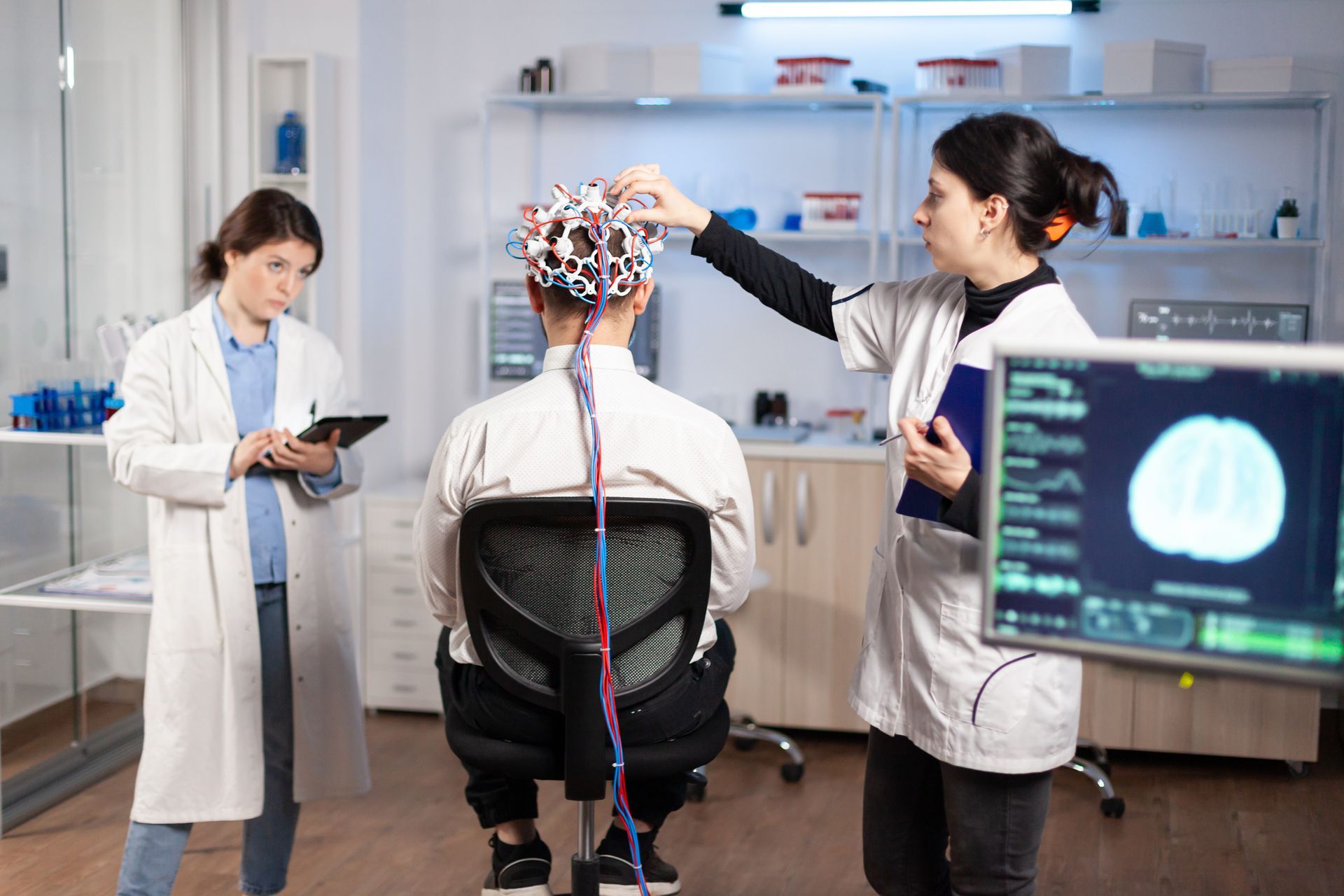
- Electroencephalogram (EEG): This test measures electrical activity in the brain and can help identify seizure disorders.
- Blood Tests: These may be conducted to rule out metabolic or infectious causes of seizures or headaches.
Once the necessary evaluations are complete, a brain surgeon consultant will interpret the results and discuss potential treatment options. This collaborative approach ensures that all possible avenues are explored before deciding on a course of action.
Treatment Options Available
Treatment options for seizures and chronic headaches vary widely based on the underlying cause. Common strategies employed by brain surgeon consultants include:
- Medication Management: Anticonvulsants are often prescribed for seizure disorders, while medication for chronic headaches may include analgesics or preventive treatments.
- Surgical Interventions: In cases where medications are ineffective or where a structural issue is present, surgical options may be explored. This could involve resection of a tumor, correction of vascular malformations, or even procedures like the implantation of a responsive neurostimulation device.
- Minimally Invasive Techniques: Dr. Robert Louis, a leading brain surgeon consultant in Orange County, specializes in minimally invasive procedures that reduce recovery time and improve outcomes. Techniques such as endoscopic surgery are designed to minimize trauma to surrounding brain tissue while effectively addressing the problem at hand.
The Importance of a Patient-Centered Approach
A significant aspect of treatment is ensuring that patients feel heard and valued throughout the process. A patient-centered approach fosters open communication between the consultant and the patient, allowing for shared decision-making. This is especially vital when discussing the potential risks and benefits of surgical intervention, as well as the expectations for recovery.
Dr. Louis emphasizes that understanding each patient’s lifestyle, concerns, and goals is an integral part of creating a successful treatment plan. This approach not only enhances patient satisfaction but also improves the overall quality of care.
Navigating the Aftermath of Treatment
Post-treatment, whether surgical or medical, patients will need ongoing support and follow-up care. Managing expectations during recovery is crucial, as some may experience temporary discomfort or require adjustments to their medication regimen. Regular follow-up appointments are essential for monitoring progress and making necessary changes to ensure optimal outcomes.
For those who have undergone surgery, rehabilitation may be part of the recovery process. This can include physical therapy, occupational therapy, or counseling to aid in the adjustment to any changes in functionality or lifestyle.
Conclusion: Take the Next Step for Your Health
Experiencing seizures or chronic headaches can be distressing, but you don’t have to navigate this journey alone. Consulting with a brain surgeon consultant in Orange County, like Dr. Robert Louis, can provide the expertise and support you need to understand your condition and explore treatment options.
If you or a loved one is experiencing these symptoms, don’t hesitate to reach out. The path to recovery begins with taking the first step toward consultation. Contact our office today at (949) 383-4185 to schedule an appointment and take charge of your health.
FAQ: Experiencing Seizures or Chronic Headaches?
What should I do if I experience a seizure for the first time?
If you experience a seizure for the first time, it is crucial to seek medical attention immediately. Contact emergency services or go to your nearest hospital. A healthcare professional will evaluate your condition, conduct necessary tests, and provide you with the appropriate care.
How can I tell if my headaches are serious?
If you experience headaches that change in pattern, intensity, or duration, or if you have additional symptoms such as visual disturbances, confusion, or weakness, it is essential to consult with a healthcare provider. These symptoms could indicate a more serious underlying condition that requires evaluation.
What tests can a brain surgeon consultant perform to diagnose my condition?
A brain surgeon consultant may recommend several diagnostic tests, including neuroimaging (MRI or CT scans), an electroencephalogram (EEG) to measure electrical activity in the brain, and blood tests to rule out other causes. These tests help determine the underlying reasons for seizures or chronic headaches.
What treatment options are available for seizures?
Treatment options for seizures may include medication management with anticonvulsants, lifestyle modifications, and in some cases, surgical intervention to address structural abnormalities in the brain. A brain surgeon consultant will help tailor the treatment plan to your specific needs.