Latest Advances in Craniopharyngioma Treatment and Recovery Outcomes
Craniopharyngioma is a rare, noncancerous brain tumor that develops near the pituitary gland and hypothalamus. Despite being benign, its location makes it complex to manage, often affecting hormone balance, vision, and neurological function.
Over the years, significant progress has been made in craniopharyngioma treatment, improving both safety and long-term recovery outcomes for patients of all ages.
Understanding Craniopharyngioma
Craniopharyngiomas are typically slow-growing tumors that arise from embryonic tissue. They can occur in both children and adults, though they are more common in younger individuals. Symptoms often develop gradually and may include headaches, vision problems, fatigue, and hormonal imbalances.
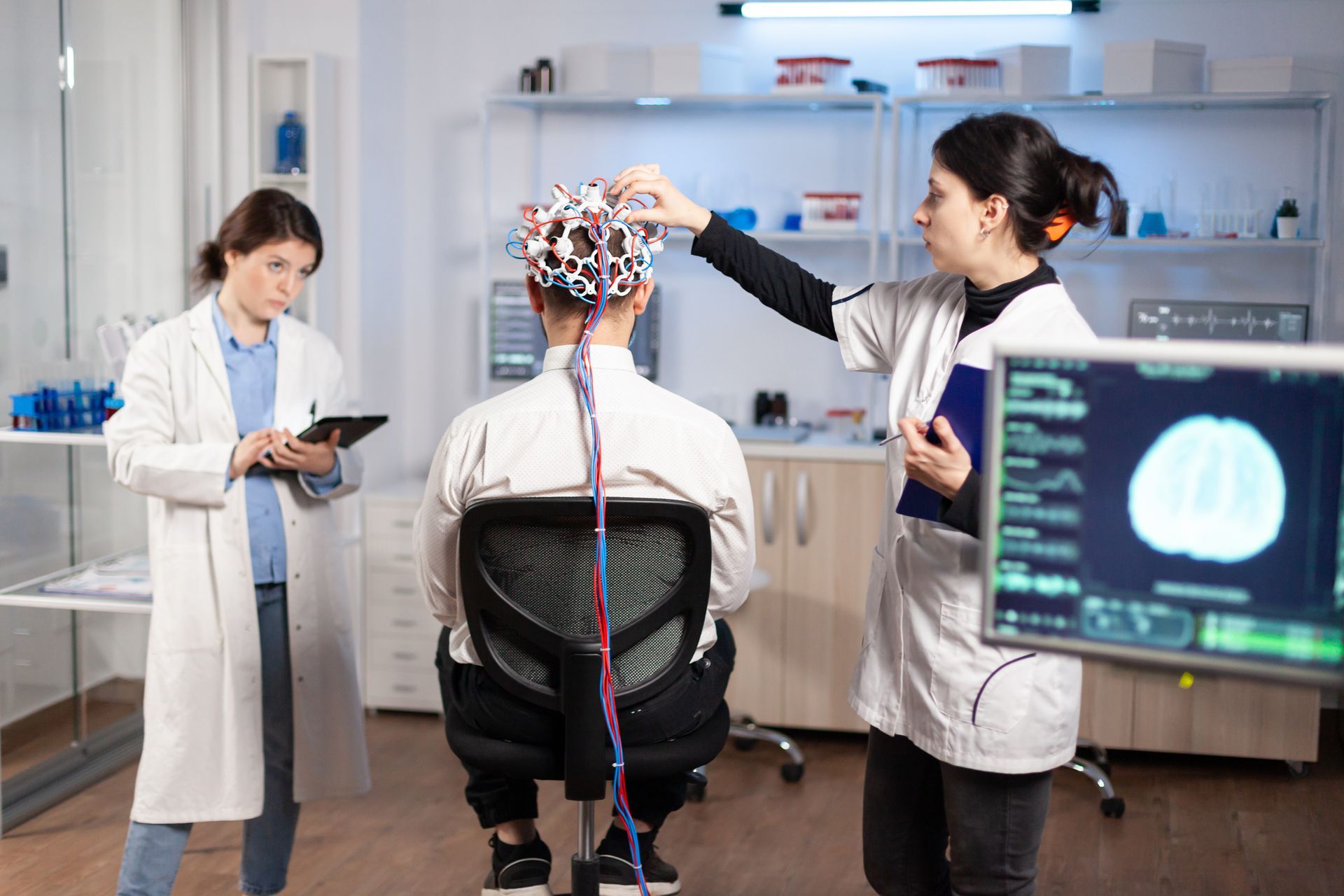
Early diagnosis plays a key role in successful craniopharyngioma treatment. Advanced imaging techniques such as MRI scans allow for precise tumor localization, helping specialists plan targeted and effective interventions.
Evolution of Treatment Approaches
Traditional approaches to craniopharyngioma treatment focused heavily on open brain surgery to remove as much of the tumor as possible. While effective, these procedures often carried risks due to the tumor’s proximity to critical brain structures.
Today, modern treatment strategies are more refined and patient-specific. The focus has shifted toward balancing tumor control with preserving quality of life. Minimally invasive techniques and multidisciplinary care have significantly improved outcomes.
Minimally Invasive Surgical Techniques
One of the most notable advances in craniopharyngioma treatment is the use of endoscopic endonasal surgery. This technique allows surgeons to access the tumor through the nasal passages, eliminating the need for large skull openings.
This approach offers several benefits:
- Reduced surgical trauma
- Shorter hospital stays
- Faster recovery times
- Improved visualization of the tumor
This method is often considered when appropriate, as it allows for precise tumor removal while minimizing complications.
Role of Radiation Therapy
Radiation therapy has become an essential component of craniopharyngioma treatment, especially when complete surgical removal is not possible. Advanced radiation techniques such as stereotactic radiosurgery and proton therapy deliver highly focused doses of radiation to the tumor while sparing surrounding healthy tissue.
These technologies reduce the risk of long-term side effects and improve tumor control rates. Radiation is often used as a follow-up to surgery or as a primary treatment in selected cases.
Hormonal and Supportive Care
Because craniopharyngiomas frequently affect the pituitary gland, hormonal imbalances are common. Effective craniopharyngioma treatment goes beyond tumor removal and includes long-term endocrine management.
Patients may require hormone replacement therapy to regulate functions such as growth, metabolism, and stress response. Regular monitoring ensures that hormone levels remain stable over time.
At Robert Louis MD, comprehensive care plans are designed to address both neurological and hormonal health, ensuring a more complete recovery journey.
Personalized Treatment Planning
No two cases of craniopharyngioma are exactly alike. Factors such as tumor size, location, patient age, and overall health influence the treatment approach. Personalized planning has become a cornerstone of modern craniopharyngioma treatment.
A multidisciplinary team, often including neurosurgeons, endocrinologists, radiologists, and rehabilitation specialists, works together to create tailored strategies. This collaborative model leads to better outcomes and fewer complications.
We focus on individualized care pathways that prioritize both effectiveness and patient comfort. Our goal is to deliver treatment that aligns with each patient’s unique needs.
Advances in Recovery and Rehabilitation
Recovery from craniopharyngioma involves more than physical healing. Cognitive, emotional, and hormonal aspects must also be addressed. Recent advances in rehabilitation have made recovery more structured and supportive.
Key components of recovery include:
- Vision therapy for patients with visual impairment
- Cognitive rehabilitation to improve memory and focus
- Physical therapy to restore strength and coordination
- Psychological support for emotional well-being
These services play a crucial role in enhancing overall outcomes after craniopharyngioma treatment.
Long-Term Outcomes and Monitoring
Long-term follow-up is essential, as craniopharyngiomas have a risk of recurrence. Regular imaging and clinical evaluations help detect any changes early. With modern techniques, recurrence rates are better managed, and patients can maintain a good quality of life.
At Robert Louis MD, ongoing monitoring programs are designed to provide continuity of care. This ensures that any concerns are addressed promptly and effectively.
We emphasize the importance of consistent follow-up, as it allows us to adapt treatment plans when needed and support long-term health.
Emerging Innovations in Treatment
Research continues to drive innovation in craniopharyngioma treatment. New therapies are being explored to further improve outcomes and reduce side effects.
Some promising developments include:
- Targeted molecular therapies that focus on specific tumor pathways
- Improved imaging technologies for better surgical planning
- Enhanced radiation delivery systems for greater precision
These advancements are shaping the future of care, offering hope for even safer and more effective treatment options.
Our approach integrates the latest evidence-based practices, ensuring that patients benefit from ongoing medical progress.
The Importance of Patient-Centered Care
A patient-centered approach is vital in managing complex conditions like craniopharyngioma. Clear communication, education, and emotional support are essential throughout the treatment journey.
We believe that informed patients are better equipped to make decisions about their care. By fostering open dialogue and trust, we create a supportive environment that encourages positive outcomes.
Patient care is built on compassion, expertise, and transparency, ensuring that every individual feels confident and supported.
Conclusion
Advances in craniopharyngioma treatment have transformed the way this condition is managed, offering safer procedures, improved recovery, and better long-term outcomes. From minimally invasive surgery to targeted radiation and comprehensive rehabilitation, modern approaches focus on both tumor control and quality of life.
While challenges remain, ongoing research and innovation continue to improve the outlook for patients. With personalized care, multidisciplinary collaboration, and consistent follow-up, individuals diagnosed with craniopharyngioma can achieve meaningful recovery and maintain a fulfilling life.